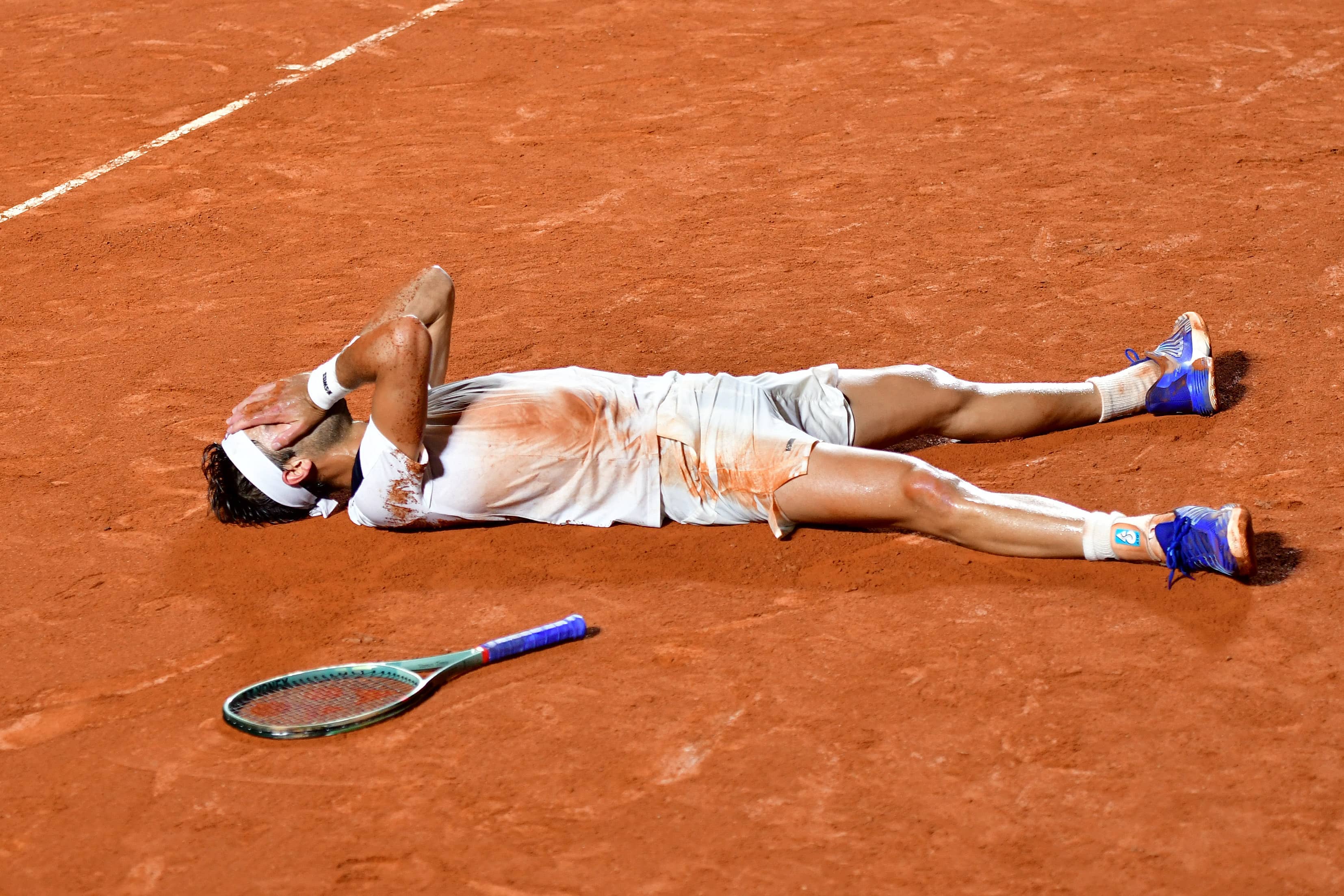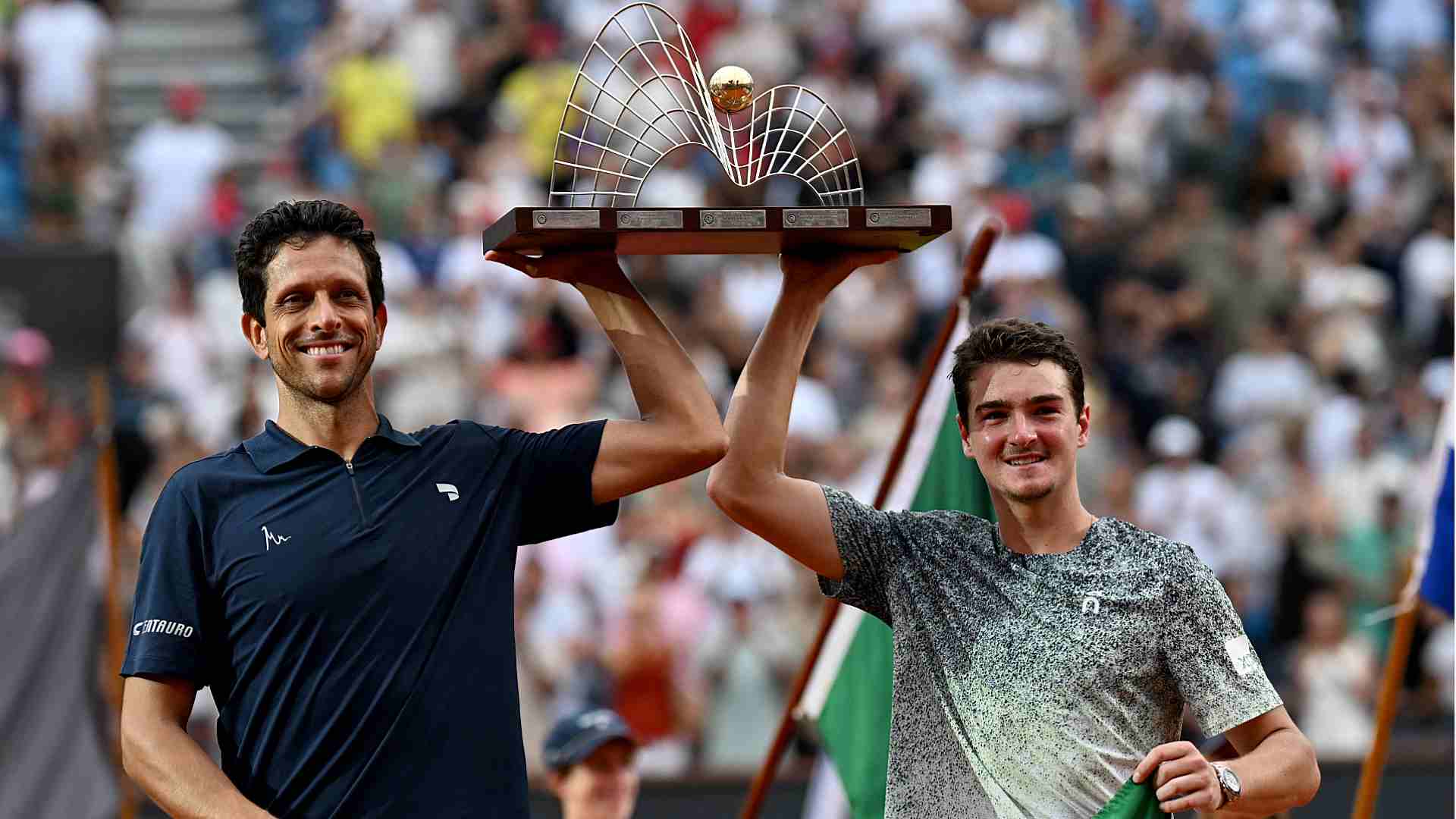



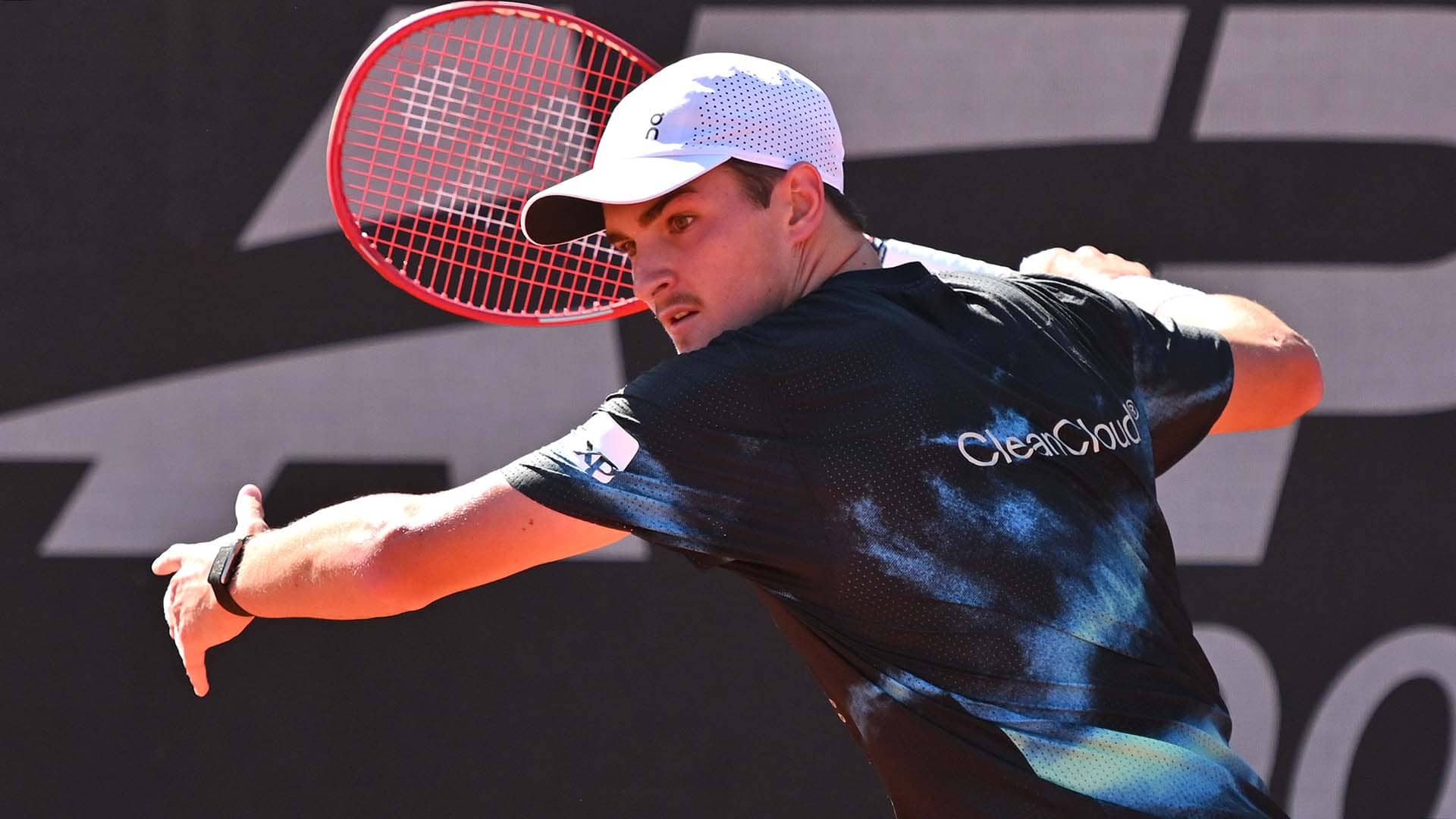
Following a stop-start opening to 2026, can Joao Fonseca turbocharge his season in his hometown at the Rio Open presented by Claro?
The No. 38 player in the PIF ATP Rankings will this week line up as the third seed at the clay ATP 500. It will be just the third tournament of the season for the 19-year-old, who did not compete until the Australian Open due to injury but now believes he is primed and ready to make more headlines as one of the leading lights of Brazilian tennis.
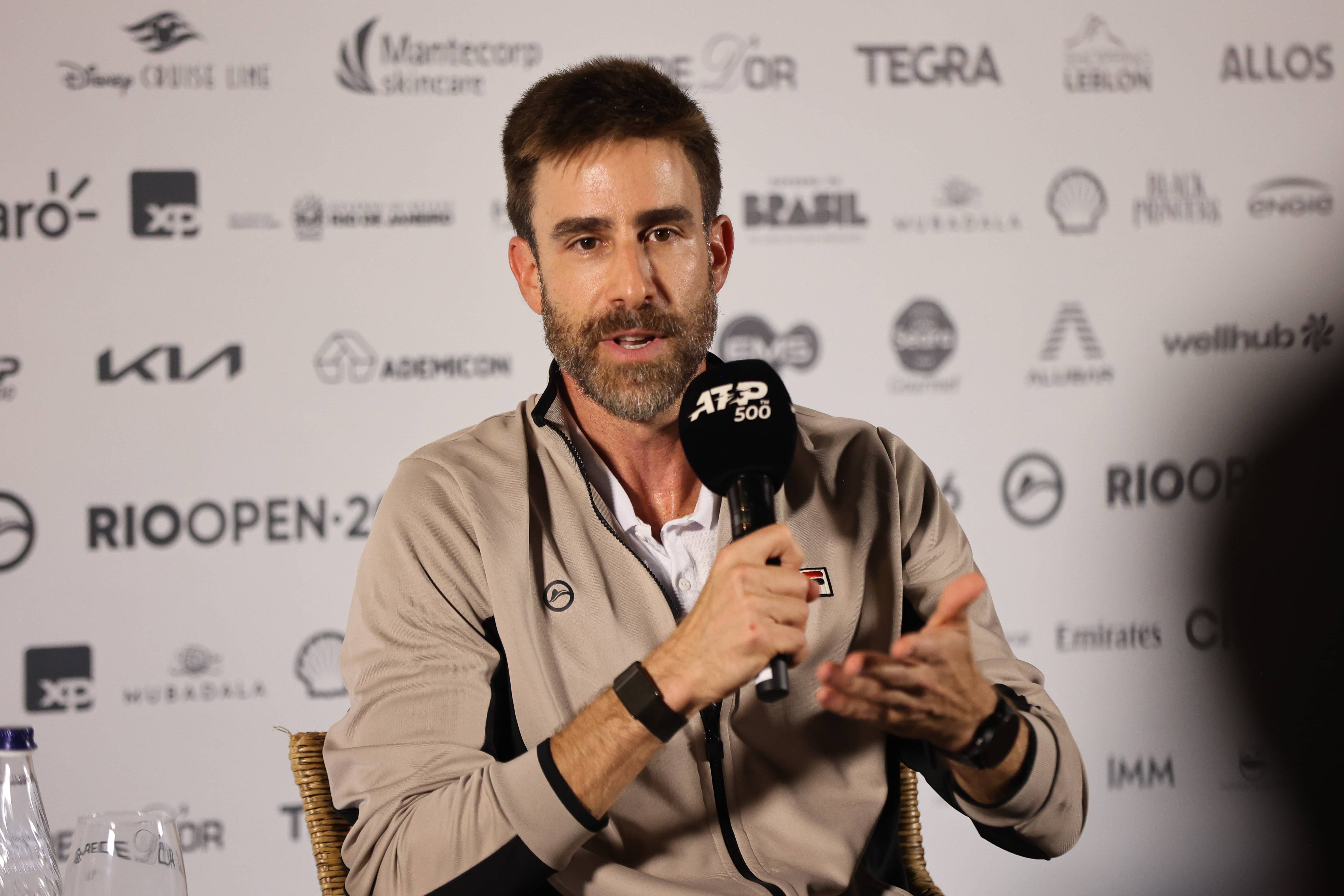
“I’m feeling good. Already 100 per cent physically,” Fonseca told ATP Media in Rio ahead of his first-round match against his countryman Thiago Monteiro. “I’ve been struggling in the beginning of the year with my lower back, but now I’m 100 per cent and feeling great back on court. Physically I’m good.”
After opening his 2026 season with a first-round loss to Eliot Spizzirri at the Australian Open, Fonseca immediately headed to South America to prepare for the ‘Golden Swing’. Although he also fell to an opening defeat when defending his title at last week’s IEB+ Argentina Open in Buenos Aires, where he was edged in three sets by former Top 20 star Alejandro Tabilo, Fonseca feels it was another important step on his tennis journey.
“It was a pretty tight match in Buenos Aires, against a very good player,” said the 19-year-old. “I think the opportunity to play a week where you are the defending champion was great. I’m thinking about positive things right [now]. It was my first time, and of course a little bit more pressure, but I think I handled it pretty well. I think my opponent played pretty good. Things to work on of course, but I’m feeling confident for this week.”
Fonseca enters Rio this year with a 13-11 tour-level record on clay, according to the Infosys ATP Win/Loss Index, having competed in tournaments across both Europe and South America. He was quick to identify a couple of aspects of the ‘Golden Swing’ events that set them apart from their European equivalents.
“I think the most different thing is the weather [in Europe],” explained Fonseca. “It’s hotter and more humid [here], and I think the fans are such a big thing. They pull out a lot of the culture of Argentina and Brazil, perhaps because of football, it’s huge.
“They cheer a lot. Sometimes it’s too much! But I think it’s a great environment and that’s the biggest thing [about South America]. The courts are pretty similar. Buenos Aires is more similar to [the European] ones, and here the ball goes a little bit slower, but it’s also good.”